Crystal Learning · Crystal Facts
Types of Quartz: Amethyst, Citrine, Rose and More
Types of quartz explained: how amethyst, citrine, rose quartz, smoky quartz and clear quartz differ, what colours them and how to care for each.
The Crystal Store · 4 September 2026
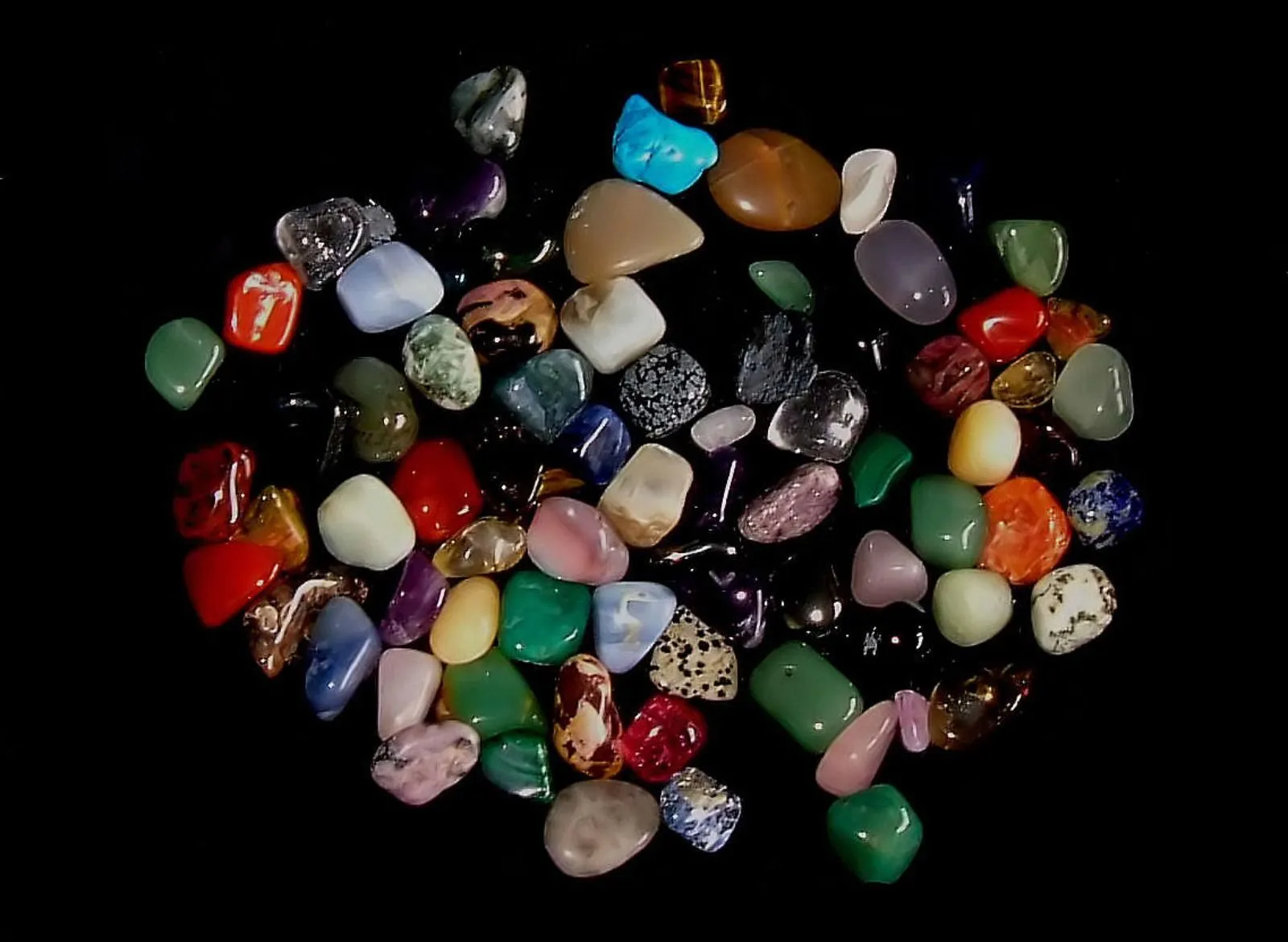
The main types of quartz are clear quartz, amethyst, citrine, rose quartz and smoky quartz, along with fine-grained relatives such as agate and jasper. All are forms of the same basic mineral, silicon dioxide. What separates them is mainly their colour and crystal size.
Knowing they’re related makes shopping for them a lot simpler, as they often share the same care needs.
One mineral, many varieties
Geology.com describes quartz as the most abundant and widely distributed mineral found at Earth’s surface. It sits at 7 on the Mohs scale, and it has no cleavage, so it tends to break along curved surfaces.
Quartz is usually split into two groups:
| Group | What it means | Examples |
|---|---|---|
| Coarsely crystalline | Crystals you may be able to see | Clear quartz, amethyst, citrine, rose quartz, smoky quartz, aventurine |
| Microcrystalline | Crystals too small to see without magnification | Agate, jasper, chert, flint |
Clear quartz
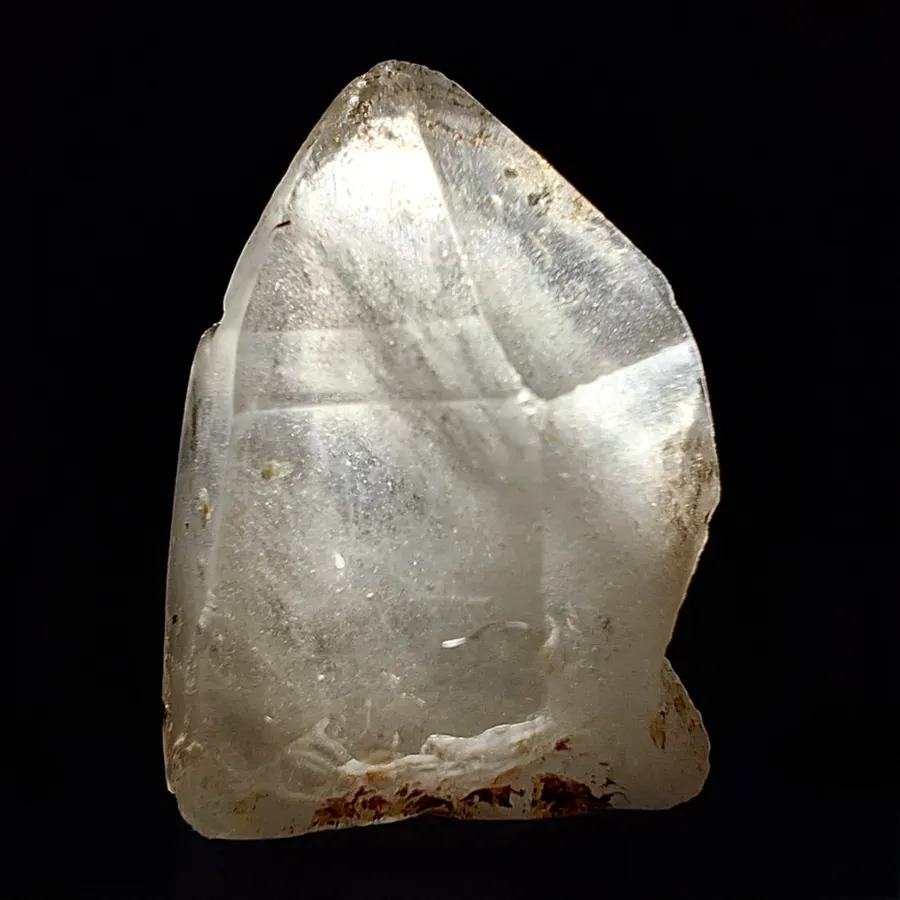
Also called rock crystal, this is quartz at its simplest. Clear quartz is a popular starting point for collectors, and many pieces contain natural veils and inclusions that add character. In crystal tradition, it’s associated with clarity and intention.
Amethyst
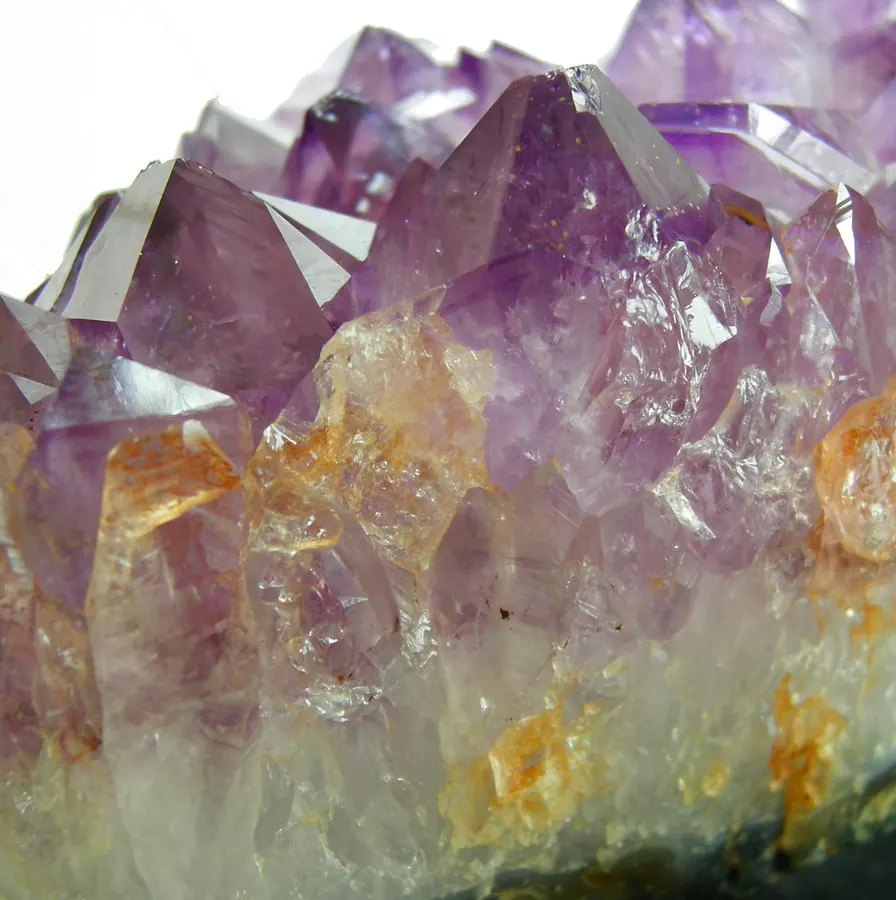
Amethyst is the purple variety. Geology.com explains that trace iron enters the quartz as it grows, and that natural radiation later produces the colour. Some amethyst can fade with long exposure to strong light, so keep it out of bright sun.
Citrine
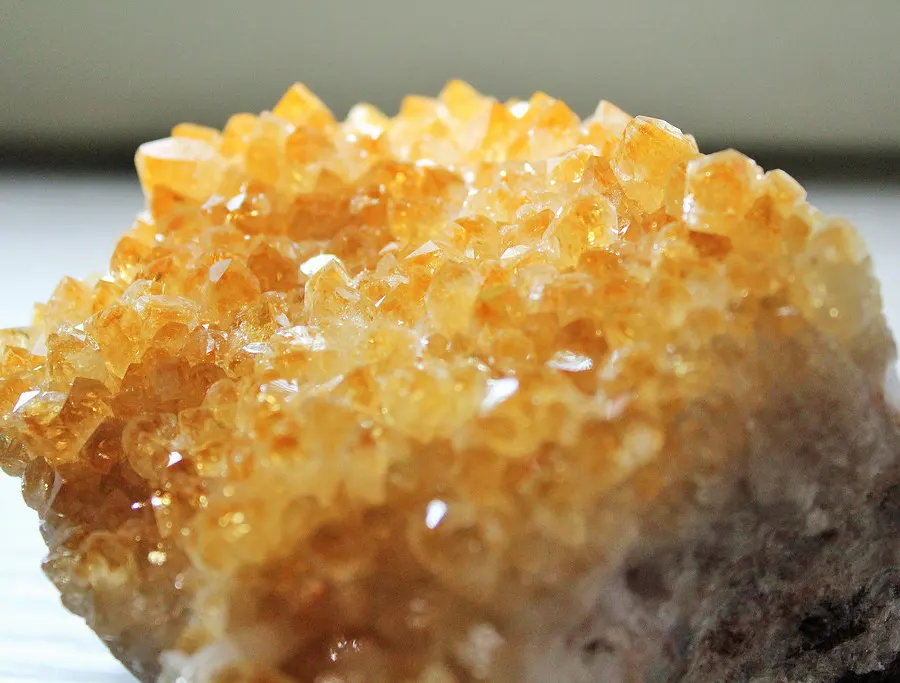
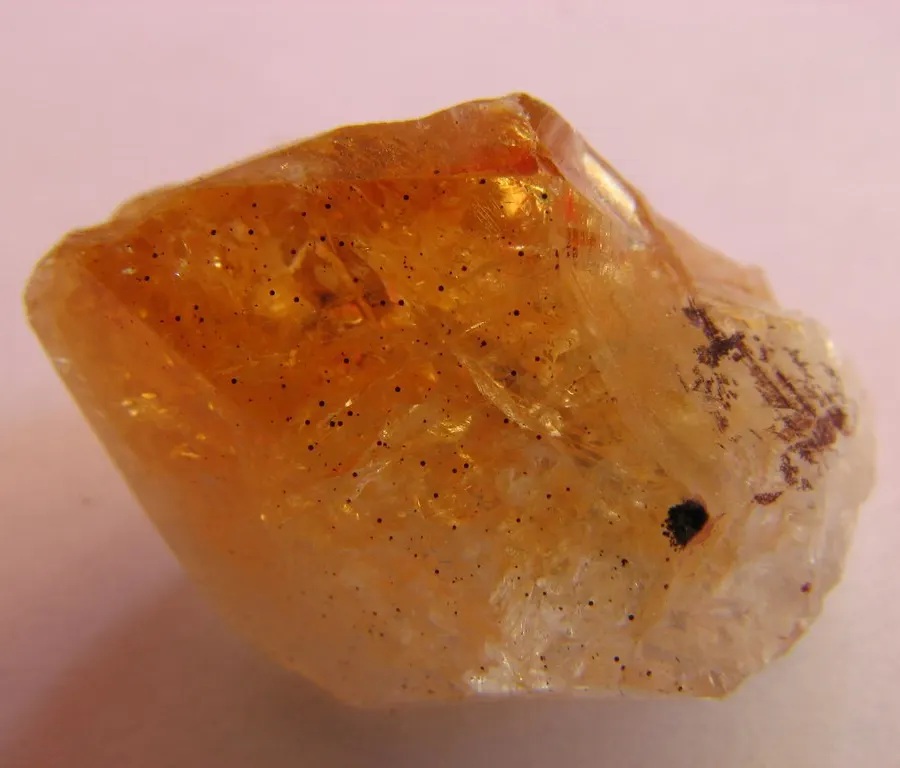
Citrine is yellow to orange quartz. GIA says natural citrine is rare and that most on the market comes from heat-treating amethyst. Our guide to natural and heated citrine explains what that means for buyers.
Rose quartz
This is the soft pink member of the family. Geology.com’s rose quartz guide says the colour in typical translucent stones comes from microscopic fibres. Unlike most amethyst, rose quartz usually grows in solid masses without obvious crystal points, which is why you’ll typically see it as polished hearts, spheres and tumble stones. Read more in our rose quartz guide.
Smoky quartz
Smoky quartz ranges from pale brown to almost black. Crystal tradition treats it as a grounding stone, and Crystals.com’s 2026 popularity data places it in its top ten searched stones, though that’s one retailer’s figures and not an independent study.
Aventurine, agate and jasper
Quartz has a broader family than many people realise:
- Green aventurine often contains tiny mineral flakes that can add a slight sparkle.
- Agate is banded and often forms inside cavities.
- Jasper, such as red jasper, is an opaque form that comes in many earthy colours and patterns.
How to tell quartz varieties apart
- Start with colour. Purple suggests amethyst, pink suggests rose quartz and brown suggests smoky quartz.
- Look for points. Rose quartz rarely shows them, while amethyst and clear quartz often do.
- Check the transparency. Agate and jasper are generally less clear than crystalline varieties.
- Ask the seller. Colour alone isn’t reliable, as GIA notes that many treatments are hard to see.
If something looks too bright or too even, our guide to spotting fake crystals will help.
Caring for quartz
Because they share the same hardness, these stones have similar basic needs.
- Avoid hard knocks. Quartz is hard but can still chip.
- Limit strong sun. Coloured varieties, especially amethyst, may fade.
- Avoid high heat. Heat can change the colour.
- Clean gently. A soft brush or brief rinse suits most solid pieces, and you should dry them straight away.
- Check for dye or inclusions first. Treated stones can have different care needs.
Which quartz should you choose?
There’s no right answer, but these are good starting points:
- For a first stone: a small clear quartz or rose quartz tumble stone.
- For display: an amethyst cluster from our points and clusters range.
- For a gift: a rose quartz heart.
- For something different: a piece of banded agate.
The meanings attached to these stones are traditions and not proven effects, so it’s fine to choose by colour alone.
How can one mineral look so different?
Quartz is a good lesson in how small details change a stone’s appearance. Geology.com says trace iron and natural radiation give amethyst its purple, and heat can then turn it yellow to golden. Its guide to rose quartz points to microscopic fibres as the usual reason for that stone’s pink colour.
Crystal size matters too. In agate and jasper, the crystals are so small that you can’t pick them out without magnification, so the stone looks quite different from a glassy point, despite being closely related. It’s a useful reminder that what’s on the label doesn’t always tell the whole story, which is why our glossary of crystal terms can come in handy.
Frequently asked questions
Are amethyst and citrine the same mineral?
Yes. Both are quartz, and heat can even turn amethyst into citrine-coloured stone.
Is rose quartz the same as clear quartz?
They’re the same basic mineral, but they differ in colour and in how they usually form.
Is quartz a good jewellery stone?
Generally, yes. At 7 on the Mohs scale, it’s reasonably durable, though it can still chip.