Crystal Learning · Crystal Facts
Natural Citrine vs Heated: What Buyers Should Know
Natural citrine is rare, and most citrine is heated amethyst. Learn how the two differ, what to look for and the questions to ask before buying.
The Crystal Store · 13 September 2026
Natural citrine is rare, and most citrine on sale today is amethyst that has been heat-treated to turn it yellow or orange. That doesn’t make heated citrine fake: it’s still real quartz. What matters is knowing what you’re buying and paying a fair price.
With interest in the stone growing, here’s how to make sense of it.
What is citrine?
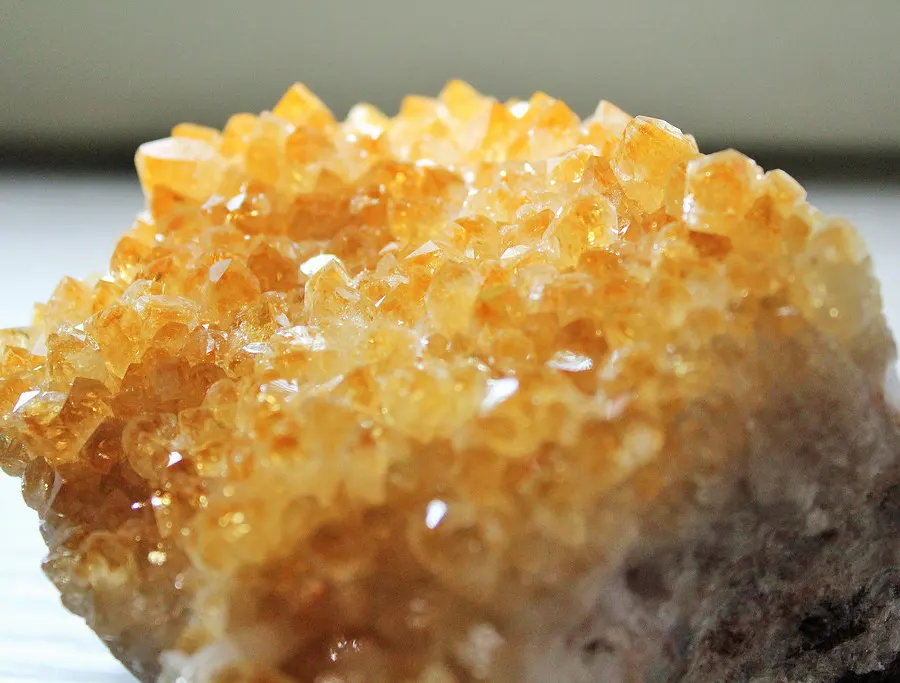
Citrine is the yellow to orange variety of quartz. GIA explains that a trace of iron in its structure produces the colour. GIA also says that natural citrine is rare, and that large hollow amethyst geodes, such as those from Brazil, are often heated to become citrine.
Geology.com adds that heating can turn amethyst yellow to golden, which is why much “citrine” is heat-modified amethyst.
Why citrine is everywhere right now
Crystals.com’s 2026 report says citrine has overtaken clear quartz on its site for the first time, led by interest in manifestation. That’s a single retailer’s data, but it fits what you see online. See our article on manifestation crystals for the tradition behind this.
More demand makes it all the more useful to understand what you’re buying.
Natural and heated citrine compared
| Feature | Natural citrine | Heated amethyst |
|---|---|---|
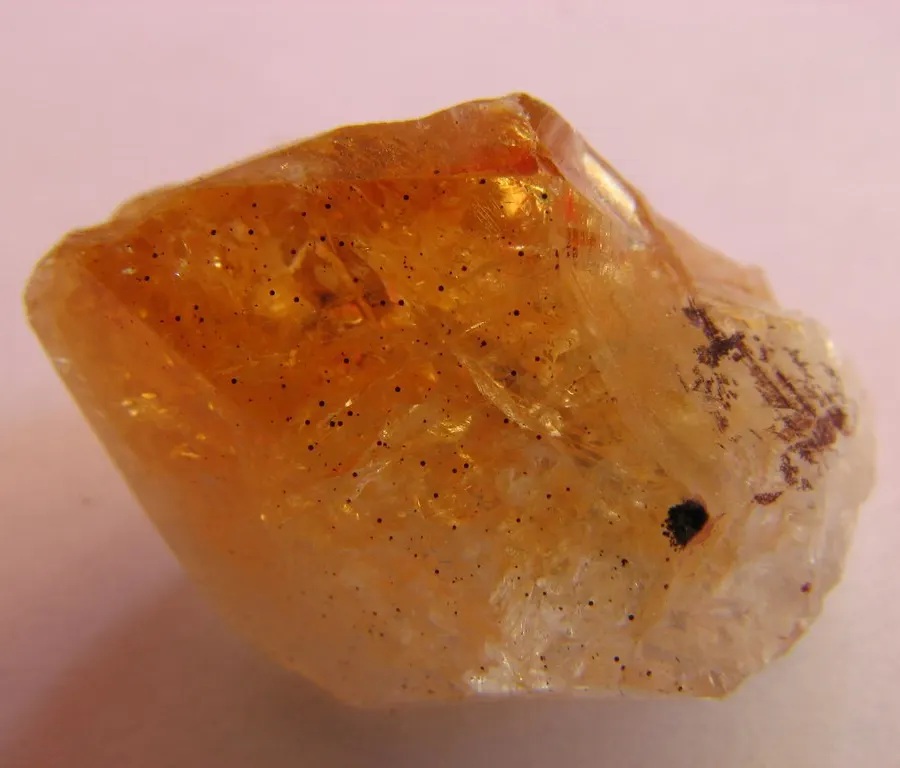
| Colour | Usually pale yellow to honey | Often deep orange to burnt amber |
| Colour pattern | Often soft and even | Often darker tips with a paler base |
| Form | Often single points or chunks | Often clusters or geode pieces |
| Price | Usually higher | Usually lower |
| Is it real quartz? | Yes | Yes |
These are general patterns and not proof. Colour alone can’t confirm a stone’s history, which is the key limitation of any at-home check.
Signs a stone may be heated
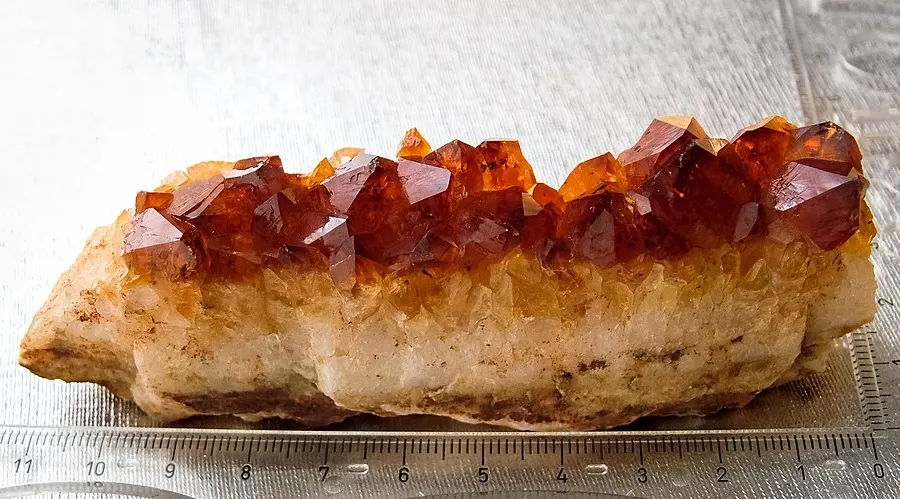
Crystals.com’s authenticity guide says heat-treated amethyst often shows burnt orange tips, while natural citrine has a softer honey or champagne tone. Other clues include:
- Strong contrast. Dark orange points on a white or milky base are commonly seen in heated clusters.
- Amethyst-style clusters. Lots of short points on a matrix suggest a geode origin.
- Very low prices. Natural citrine of a good size generally costs more.
- Vague descriptions. “Citrine” with no further detail tells you very little.
Again, only a qualified gemmologist can give you a reliable answer on a valuable piece.
Is heated citrine a bad thing?
Not at all, as long as it’s described honestly. Heat treatment has a long history in gems. GIA’s treatment guide describes heat as generally durable and permanent under normal handling, and says that anyone selling a treated gem should disclose it. Heated stones can be beautiful and affordable.
The problem is misleading labels, such as describing a heated stone as “natural citrine”.
Questions to ask a seller
- Is this natural or heat-treated citrine?
- If you don’t know, how is it sourced?
- Where was it mined?
- Is there any dye or coating?
- Can you show photos in natural daylight?
A good seller will answer plainly, including saying “we don’t know”. You can compare stones in our Crystal Guide entry for citrine and read our wider guide to spotting fake crystals.
What citrine means in tradition
In modern crystal tradition, citrine is associated with optimism, confidence and abundance. These are beliefs and not proven effects, and heating doesn’t feature in most of these traditions. Some people prefer natural stones for personal reasons, while others simply choose the colour they love. See our page on crystals for abundance.
Caring for citrine
- Keep it away from high heat. Heat changes quartz colours.
- Avoid long periods of strong sun. It’s a sensible precaution for coloured quartz.
- Handle it with care. Citrine is 7 on the Mohs scale, but points can chip.
- Clean gently. A brief rinse is fine for solid stones. Dry them straight away.
Choosing the right citrine for you
- For display: heated clusters offer striking colour at a lower cost, and our points and clusters range is a good place to look.
- For collecting: seek out described natural pieces, with their source if possible.
- For everyday use: small tumble stones are affordable and easy to hold.
- As a gift: colour usually matters most, so choose whatever looks best to you.
Frequently asked questions
Is most citrine fake?
Most of it is real quartz, but much of it started as amethyst and was heat-treated. It’s “fake” only if it’s sold as natural when it isn’t, or if it’s not quartz at all.
How can I tell if my citrine is natural?
You can look for clues, but you can’t be certain at home. For valuable pieces, ask a qualified gemmologist or lab.
Is natural citrine worth more?
Generally, yes, because it’s rarer. Colour, clarity and size all affect value.