Crystal Facts · Gifts
Birthstones History: Where Do Birthstones Come From?
Birthstones history, from Aaron's breastplate to the 1912 and 1937 lists: how monthly gems began, why lists differ and how to choose one.
The Crystal Store · 25 September 2026
Birthstones history goes back much further than the neat modern list: the idea begins with a biblical breastplate, but standard monthly lists only date from the 20th century. Those lists were created by jewellery trade groups, which is why different countries and websites give different answers.
That’s freeing news: there’s no single official birthstone chart.
The breastplate of Aaron
The story usually starts with the high priest’s breastplate described in the Book of Exodus. According to Wikipedia’s birthstone article, the first-century historian Josephus connected its twelve stones with the Twelve Tribes of Israel, the twelve months and the twelve zodiac signs. He even gave two different lists of stones, so it was never as tidy as it sounds.
Christian writers later built on this. St Jerome linked the idea with the Foundation Stones of the New Jerusalem, and writers in the 8th and 9th centuries connected individual stones to the apostles.
When people started wearing one stone a month
The custom of wearing a single stone for your birth month is only a few centuries old, and even that’s debated. Wikipedia notes that George Kunz placed it in 18th-century Poland, while the Gemological Institute of America placed it in 1560s Germany. In 1870, Tiffany & Co. published a set of month-by-month gem poems, which helped popularise the idea.
The modern lists were written by the trade
| Year | Event |
|---|---|
| 1912 | US National Association of Jewelers adopts a standard list |
| 1937 | UK National Association of Goldsmiths creates its own list |
| 1952 | US Jewelry Industry Council adds alexandrite, citrine and pink tourmaline |
| 2002 | Tanzanite is added for December |
| 2016 | Spinel is added for August |
The commercial motive wasn’t lost on everyone. Wikipedia quotes one historian who called the 1912 list “nothing but a piece of unfounded salesmanship”. That doesn’t make birthstones any less enjoyable, but it’s a good reminder that they’re a tradition and not a fixed rule.
A modern list of birthstones
This list follows GIA’s birthstone page. Other charts can differ.
| Month | Birthstones |
|---|---|
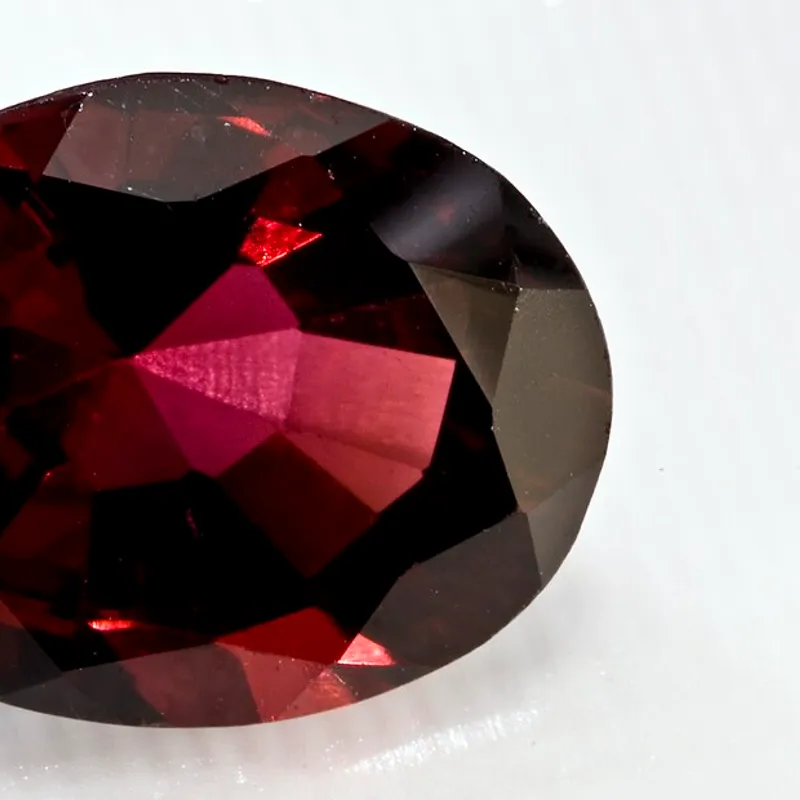
| January | Garnet |
| February | Amethyst |
| March | Aquamarine, bloodstone |
| April | Diamond |
| May | Emerald |
| June | Pearl, moonstone, alexandrite |
| July | Ruby |
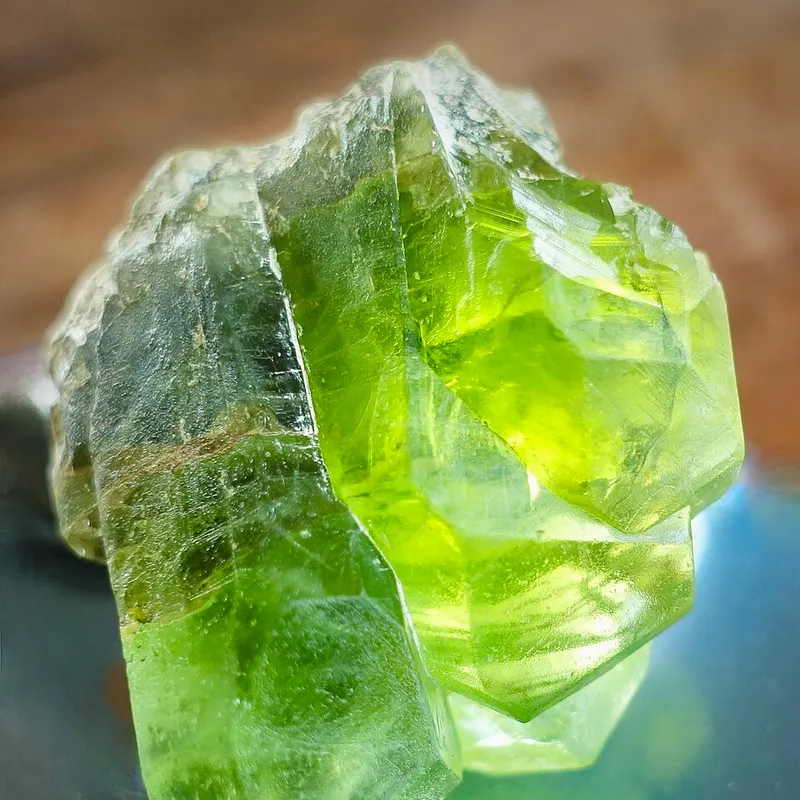
| August | Peridot, spinel |
| September | Sapphire |
| October | Opal, tourmaline |
| November | Topaz, citrine |
| December | Turquoise, tanzanite, zircon |
Why birthstones still matter to people
Personal meaning is a large part of the appeal. In an F.Hinds survey of 2,001 UK adults, 18% said their favourite gemstone was their birthstone, while 42% said they chose their favourite for its colour or look. A stone can be meaningful for lots of reasons.
Birthstones on a budget
Some traditional birthstones are expensive. Since the lists have always changed, there’s nothing wrong with choosing an affordable alternative. Our birthstones by month guide suggests crystal alternatives for each month. For example:
- April: clear quartz in place of diamond
- September: lapis lazuli in place of sapphire
- October: a black tourmaline specimen or another tourmaline piece
How to choose a birthstone gift
- Think about the person. Would they prefer jewellery or a display piece?
- Check for alternatives. If a list gives more than one option, pick the one they’d like most.
- Consider durability. Softer stones, such as turquoise, need more care. See our Mohs scale guide.
- Include a note. A short card about the stone’s story makes it more personal.
Our crystal jewellery and gift kits are good starting points.
Why birthstone lists disagree
If you’ve compared a few lists, you’ll know that they don’t always match. There are good reasons for this:
- Different countries have different lists. The US and UK trade bodies each published their own.
- Lists have changed over time. Stones have been added for commercial reasons, such as making a more affordable option available.
- Traditional and modern lists can differ. Some people prefer older choices.
- Other systems exist. Wikipedia notes that Japanese industry associations added ten new birthstone types in 2021.
So if your favourite chart disagrees with this one, you haven’t got it wrong.
Stories behind the stones
Each birthstone comes with its own story, and they’re worth exploring. Garnet for January comes in deep reds. Amethyst for February has one of the richest histories of all. Moonstone for June, as GIA explains, gets its glow from light scattering between thin layers. And citrine for November is usually heated amethyst, which only joined the US list in 1952.
Frequently asked questions
Who decides birthstones?
No single authority does. Modern lists have largely come from jewellery trade associations, and they vary between countries and over time.
Can I have more than one birthstone?
Yes. Many months have more than one stone, and lots of people also pick a stone they simply like.
Do birthstones have powers?
Various traditions have attached meanings to them, but there’s no scientific evidence that they have any special effect.