Rituals · Holistic Living
Moon Phases and Crystals: A Year-Round Ritual Guide
Moon phases and crystals explained: what each phase means in tradition, simple rituals for new and full moons, and how to charge stones safely.
The Crystal Store · 10 October 2026
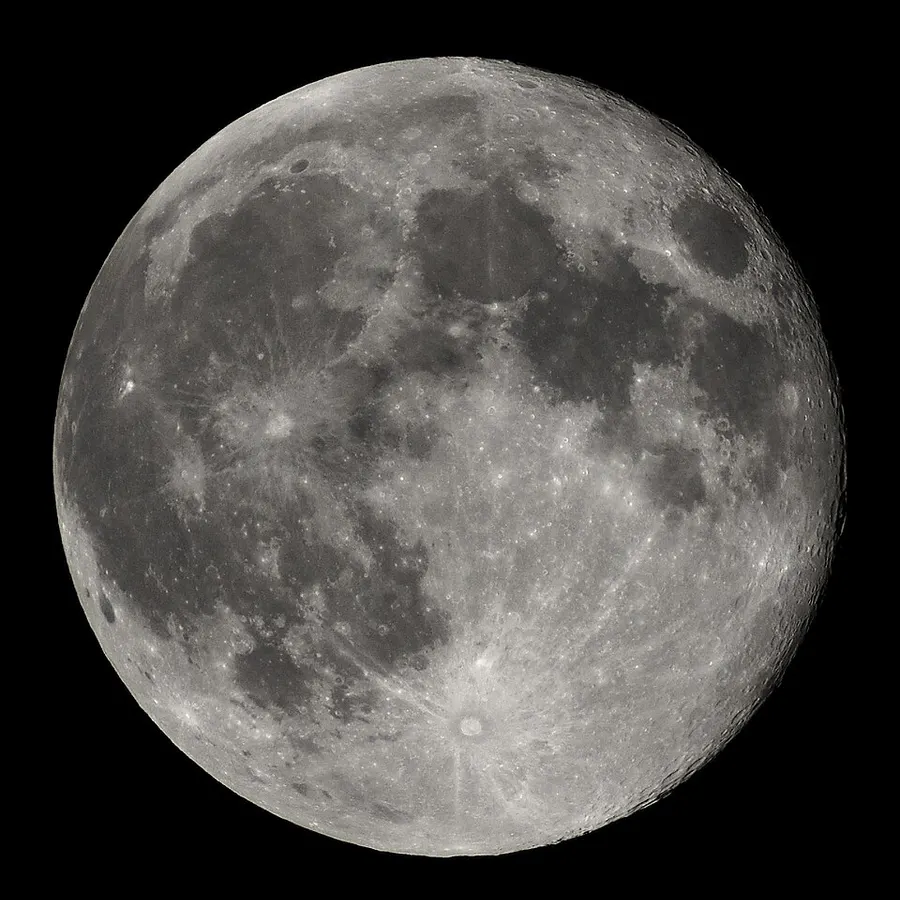
Moon phases and crystals are often paired in modern ritual, with new moons used for setting intentions and full moons for reflection and cleansing. There’s no evidence that moonlight changes a stone, but following the moon gives a simple monthly rhythm to your practice, and it’s completely free.
What causes the moon’s phases?
It helps to start with the astronomy. Wikipedia’s moon phase article explains that phases aren’t caused by Earth’s shadow. They depend on the angle of the Sun and Moon as seen from Earth, which determines how much of the Moon’s lit side we can see. A full cycle takes about 29.5 days.
The eight phases and their traditions
The ritual meanings below are modern traditions and not astronomical facts.
| Phase | Common ritual theme | Traditional stones |
|---|---|---|
| New moon | Setting intentions | Clear quartz, labradorite |
| Waxing crescent | Taking first steps | Green aventurine |
| First quarter | Commitment | Carnelian |
| Waxing gibbous | Refining plans | Citrine |
| Full moon | Gratitude and cleansing | Moonstone, selenite |
| Waning gibbous | Sharing | Rose quartz |
| Last quarter | Letting go | Smoky quartz |
| Waning crescent | Rest | Amethyst |
There’s no one correct pairing, so feel free to use the stones you already own. Our full moon crystal ritual goes into more depth on this phase.
A simple new moon ritual
The new moon is a natural moment for a fresh start.
- Find a quiet moment on or around the new moon.
- Hold a favourite stone, such as clear quartz.
- Write down one to three intentions, in plain language. See our intentions page for ideas.
- Add a practical step for each one.
- Leave your note beneath the stone somewhere you’ll see it.
A simple full moon ritual
- Look back over the last month, and note what went well.
- Write down something you’re grateful for, along with something you’d like to let go of.
- Place your stones near a window to catch the moonlight overnight.
- Collect them in the morning. Bring them in before the sun gets strong.
Charging crystals in moonlight
Moonlight charging is popular because it’s so gentle. Crystals.com’s cleansing guide suggests leaving stones on a windowsill or outdoors from sunset to sunrise, and says that indirect light is enough. It also says that consistency matters more than the exact phase, so don’t worry if the night is cloudy.
“Charging” is a spiritual idea and not a physical change, but the method is low-risk. A few practical cautions:
- Collect your stones early. Crystals.com warns that sun can fade amethyst, rose quartz and fluorite. Geology.com also notes that amethyst can fade with prolonged light exposure.
- Beware of damp. Dew and rain can damage water-sensitive stones, so a windowsill is safer than the garden.
- Protect valuable pieces. Don’t leave them outdoors overnight.
Why moonstone is linked with the moon
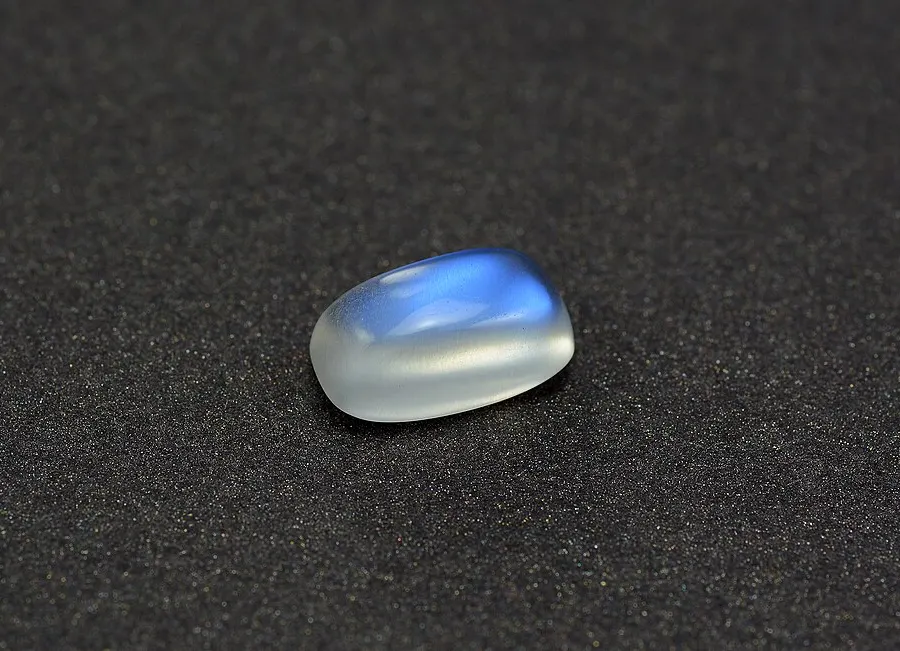
Its name and its glow make the link obvious. GIA explains that moonstone’s floating sheen, known as adularescence, comes from light scattering between thin alternating layers in the stone. So its moon-like appearance has a physical cause, while the lunar symbolism is a matter of tradition. It’s also a June birthstone.
A note on moon water
Moon water is water left out in moonlight, then used in ritual. If you try it, please keep crystals out of it. Some stones can dissolve or release harmful substances, and our water safety guide lists the main ones. We also don’t recommend drinking water that’s been left outdoors or that has been in contact with stones. Consider using it to water your plants instead.
Planning a moon ritual year
- Check a calendar. A moon phase calendar or app lists the dates in advance.
- Keep a small journal. Looking back at old intentions can be very rewarding.
- Keep it manageable. One new moon and one full moon ritual a month is plenty.
- Build a small kit. A stone, a notebook and perhaps a selenite plate are enough.
These rituals are for reflection and are not a form of treatment. If you’re struggling with your mood or sleep, it’s best to speak to your GP.
Keeping a simple moon journal
A notebook can be the most useful tool in this practice. At each new moon, write down one intention and one practical step. At the full moon, look back: what happened, what helped and what would you change? After a few months, you’ll have a record of how you’ve been spending your time, which is valuable whether or not you believe that the moon plays any part in it.
Frequently asked questions
Which moon phase is best for charging crystals?
Tradition favours the full moon, but Crystals.com says any clear night works and consistency matters more.
Can I charge crystals indoors?
Yes. A windowsill is safer than outdoors and is the simplest option for most stones.
Does moonlight really change crystals?
There’s no evidence that it does. Most people use it as a calming, symbolic ritual.