Crystal Learning · Crystal Uses
Protection Crystals: The Lore of Black Stones
Protection crystals in tradition: black tourmaline, obsidian, smoky quartz and hematite, what the lore says, the real science and how to use them.
The Crystal Store · 13 October 2026
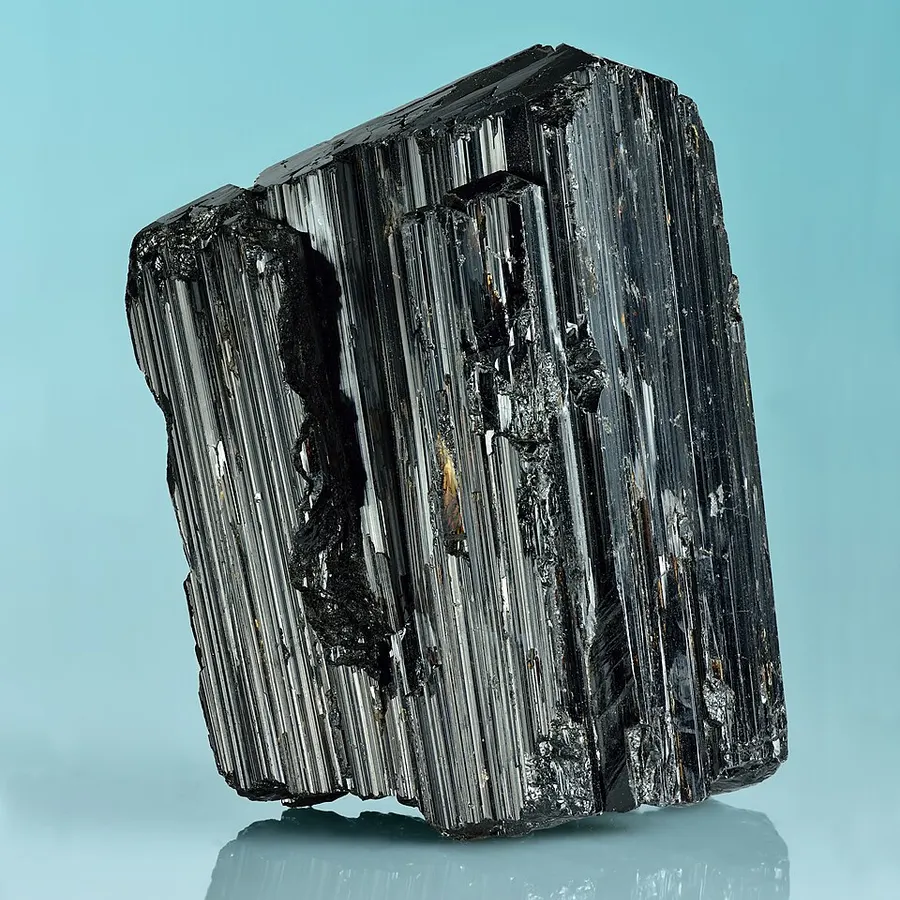
Protection crystals are stones that tradition links with keeping you safe, grounded or shielded from negativity, and they’re often dark: black tourmaline, obsidian, smoky quartz and hematite. They’re a meaningful symbol for many people, but no stone can physically protect you, and they don’t replace real-world safety.
Why are black stones linked to protection?
Dark stones have long carried protective symbolism in various cultures. Modern crystal practice builds on this idea, along with colour associations: black is linked with grounding and boundaries.
Interest is growing too. Crystals.com’s 2026 data says that searches for black tourmaline are up sharply on its site, and it lists obsidian and smoky quartz in its protection trend category. Those are one retailer’s own figures, but they do suggest a real wave of curiosity.
The main protection crystals
| Stone | Tradition | What it actually is |
|---|---|---|
| Black tourmaline | Protection, grounding | A black form of tourmaline |
| Black obsidian | Protection, honesty | Natural volcanic glass |
| Smoky quartz | Grounding | Brown to black quartz |
| Hematite | Grounding, strength | An iron oxide mineral |
| Tiger’s eye | Courage | Banded golden stone |
Browse more under crystals for protection.
Black tourmaline
GIA’s tourmaline page says tourmaline has one of the widest colour ranges of any gem, a hardness of 7 to 7.5 and is an October birthstone. Black tourmaline is the stone most often seen in crystal shops, frequently as a long, grooved, rough crystal. Crystal tradition often places it near a front door, as noted by Crystals.com’s beginner guide.
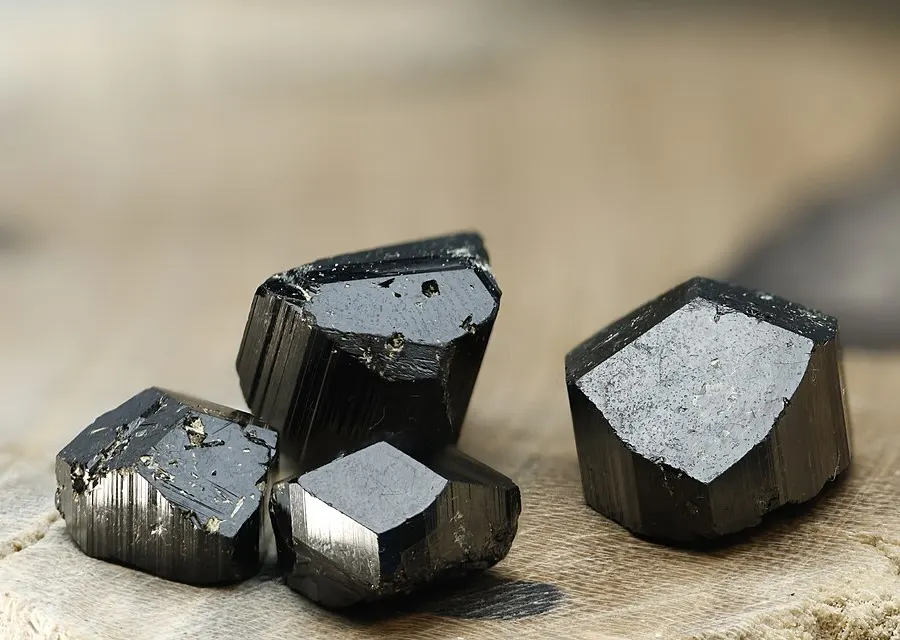
Black obsidian
Geology.com explains that obsidian is a volcanic glass, formed when lava cools so quickly that its atoms can’t arrange into crystals. It breaks with very sharp edges, which made it valuable for knives and arrowheads. Thin obsidian blades are even used in some precision surgical scalpels.
At about 5.5 on the Mohs scale, it scratches easily and can chip. Geology.com suggests it suits earrings, brooches and pendants better than rings or bracelets. Handle raw pieces carefully, because of those sharp edges.
Do crystals protect against EMFs?
No, and it’s worth addressing this directly. Crystals.com links some of the interest in black tourmaline to concerns about electromagnetic fields, or EMFs, from phones and wi-fi. Wearing or placing a stone doesn’t block these. Wikipedia’s crystal healing article also notes false claims that shungite protects against 5G radiation.
Be wary of anyone selling a stone with this promise. If you have concerns about exposure or your health, your GP is the right person to talk to. Our guide to what crystal healing is covers the wider evidence.
How people use protection stones
If you enjoy these as symbols, here are some popular ways to use them.
- By the front door. A chunky black tourmaline makes an interesting display piece.
- On a desk. A grounding stone can be a visual reminder to pause.
- In a pocket or bag. Try a tumble stone in a small pouch.
- As jewellery. Hematite and other bracelets are popular choices.
- In a grid. See how to make a crystal grid.
Think of a stone as a reminder of your boundaries or values. It can’t do anything for you, but it might help you remember what you intend to do.
Real-world safety comes first
It may seem obvious, but it’s important to say: no crystal can protect your home, your health or your personal safety. Lock your doors, use smoke alarms, get medical advice when you need it and contact the appropriate services if you feel unsafe. In an emergency in the UK, call 999.
Caring for dark stones
- Black tourmaline can be brittle and may shed small splinters, so handle it gently.
- Obsidian has sharp edges when raw and scratches easily.
- Hematite can rust, so keep it dry.
- Smoky quartz is durable, at 7 on the Mohs scale, but can still chip.
Our crystal care guide has more tips.
How to choose a protection stone
- For display: a raw black tourmaline or a smoky quartz point.
- To carry: a smooth tiger’s eye or hematite tumble.
- To wear: a tourmaline or tiger’s eye piece from our jewellery range.
- As a gift: a simple stone with a note about its lore.
Frequently asked questions
What is the most protective crystal?
In modern crystal tradition, black tourmaline is the most commonly named. That’s a belief and not a proven effect.
Does black tourmaline block wi-fi or EMFs?
No. There’s no good evidence for this, and you should be cautious about any product that claims otherwise.
Where should I put a protection crystal?
Tradition favours the front door, but anywhere you’ll see it and it won’t get knocked is fine.