Crystal Facts · Crystal Learning
British Gemstones: The Stories of Whitby Jet and Blue John
British gemstones with remarkable histories: how Whitby jet became Queen Victoria's mourning stone and why Derbyshire's Blue John is so rare.
The Crystal Store · 28 September 2026
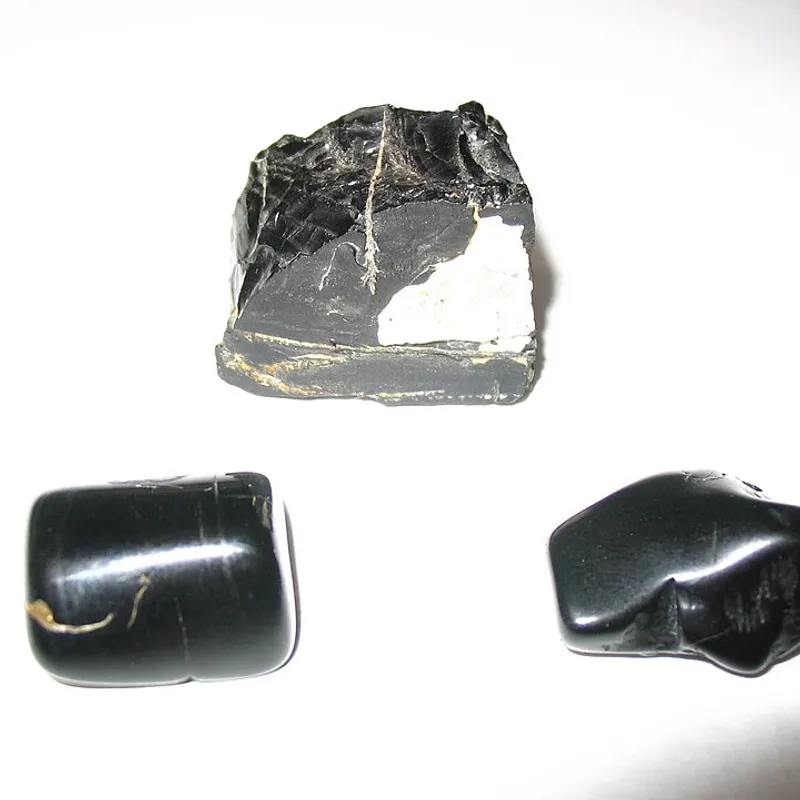
Two British gemstones stand out for their history: Whitby jet from Yorkshire and Blue John from Derbyshire. One became the height of Victorian fashion, while the other is found in only a handful of caverns. Both are closely tied to the places they come from, and you can still visit those places today.
Whitby jet: a fossil you can wear
Wikipedia’s jet article describes jet as a type of lignite, the lowest rank of coal, formed from wood changed under pressure. Because it isn’t a crystal, it’s technically a mineraloid and not a mineral.
Whitby jet is around 181 million years old, dating from the Early Jurassic. It’s fossilised wood from trees similar to the Chilean pine, or monkey puzzle tree. The deposit lies in the Jet Rock near Whitby, on the North Yorkshire coast, and extends through the North York Moors.
Our Whitby jet guide covers the stone itself.
How Queen Victoria made jet fashionable
Jet became highly fashionable as mourning jewellery under Queen Victoria, from the 1850s onwards. Wikipedia notes that she wore jet while mourning Princess Victoria of Saxe-Coburg and Gotha, and later wore Whitby jet while mourning Prince Albert.
The boom transformed the town, but it didn’t last. Jet use peaked in the early 1870s, and Whitby’s workforce in the trade fell from over 1,000 people to about 300 by 1884. Wikipedia says the industry died out after World War II, although jet is still treasured today.
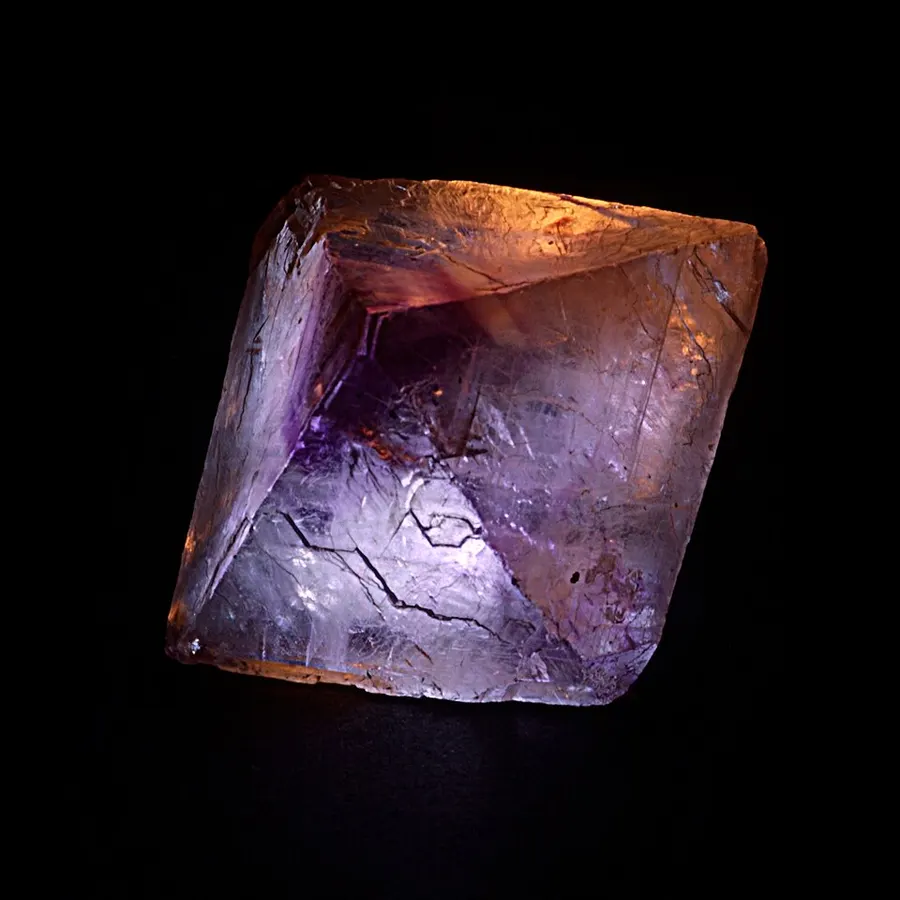
Blue John: Derbyshire’s banded fluorite
Blue John, also called Derbyshire Spar, is a rare form of fluorite with purple-blue and yellowish bands. In the UK, it’s found only at Blue John Cavern and Treak Cliff Cavern near Castleton in Derbyshire.
It formed in mineral veins during the late Carboniferous and Early Permian periods, crystallising from hot, salty fluids.
Where the name came from
No one’s entirely sure. The most common explanation is the French bleu-jaune, meaning blue-yellow, although Wikipedia notes there’s no archival record of it being exported to France. Other theories link it to a miners’ term for zinc ore, or to the Cornish word for flower or bloom.
You might also read that the Romans discovered it. That popular claim traces back to an 1843 book and lacks evidence. The earliest known reference is a lease from 1766.
Blue John in grand houses
In the 18th century, it became fashionable for decoration. Matthew Boulton sought the mines in 1768, and Robert Adam designed Blue John fireplace panels for Kedleston Hall.
It’s rarer now. Wikipedia says output was capped at 20 tons a year under 18th-century leases, while today it’s about half a ton a year. A lost vein was rediscovered in 2013, and a new one was found in 2015. Stones are impregnated with resin to strengthen them before being worked, which is a treatment GIA would expect sellers to disclose.
The two stones compared
| Whitby jet | Blue John | |
|---|---|---|
| What it is | Fossilised wood, a type of lignite | Banded fluorite |
| Where | Whitby, North Yorkshire | Castleton, Derbyshire |
| Age | About 181 million years | Late Carboniferous to Early Permian |
| Colour | Deep black | Purple-blue and yellowish bands |
| Golden era | Victorian mourning fashion | 18th-century decoration |
How to spot genuine pieces
Both stones attract imitations, so a few precautions help.
- Ask for the source. Real Blue John comes from Castleton, and jet labelled “Whitby” should come from the Whitby area.
- Compare with similar materials. Black glass, sometimes called French jet, was a historic substitute, and other fluorite can be sold as Blue John.
- Buy from specialists. Local makers and established dealers know their material.
- Get it in writing. Keep the listing and your receipt.
For more, see our guide to spotting fake crystals.
Caring for British gemstones
Jet is light and relatively soft. Protect it from knocks and scratches, and store it apart from harder stones.
Blue John, as a fluorite, is fairly soft at around 4 on the Mohs scale, and it has been stabilised with resin. Handle it gently, and keep it away from heat and harsh chemicals. Our crystal care guide has more general tips.
Seeing them for yourself
Whitby and Castleton both make a lovely day out. Whitby’s connection with jet remains part of its identity, while Castleton’s caverns are the place to see where Blue John comes from. Check the opening times before you travel.
If you enjoy stones with a story, have a browse through our Crystal Guide or read about the history of amethyst.
Frequently asked questions
Is Whitby jet a crystal?
No. It’s a fossilised wood and has no crystal structure, although it’s treated as a gem material.
Why is Blue John so rare?
In the UK, it’s found only near Castleton in Derbyshire, and only about half a ton a year is mined today.
Are there other British gemstones?
Yes, including Scottish agates and smoky quartz, or cairngorm. Jet and Blue John are simply among the best known.